

Date of Offense
Statement
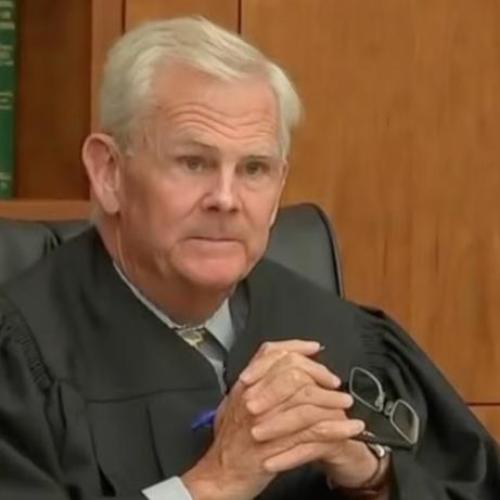
Judge Mark C. Gildea should be reviewed for judicial misconduct arising from his handling of the Karen Read / John O’Keefe civil litigation, including his recent emergency hearing concerning an alleged disclosure of impounded or confidential material to an X account.
Judge Gildea summoned counsel to court, publicly reprimanded the attorneys, accused participants in the litigation of leaking private information to social media actors, threatened severe discovery consequences, and then left the bench without permitting affected counsel to respond, correct the record, contest the accusation, request clarification, or preserve a contemporaneous objection. This conduct reflects an abuse of judicial authority, denial of basic procedural fairness, and misuse of the court’s contempt-adjacent authority to chill lawful advocacy and public scrutiny in a matter of extraordinary public concern.
The issue is not merely that Judge Gildea expressed concern over confidentiality. A judge may properly enforce impoundment orders and protect private information. The misconduct arises from the manner in which Judge Gildea did so: by converting an untested factual allegation into a public judicial condemnation; by treating social-media activity as presumptively attributable to counsel or parties without first establishing evidentiary foundation; by threatening punitive discovery restrictions before conducting a meaningful adversarial inquiry; and by denying the attorneys a reasonable opportunity to be heard.
Such conduct creates the appearance that the judge had prejudged the issue before the hearing began. It also creates the appearance that the court was more concerned with suppressing embarrassing public discussion of law-enforcement misconduct and discovery materials than with fairly adjudicating the rights of the parties. In a case already involving serious police misconduct, investigative bias, witness irregularities, discovery disputes, and public institutional distrust, a judge has an enhanced duty to maintain neutrality, procedural discipline, and visible fairness. Judge Gildea’s conduct did the opposite.
Judge Gildea’s handling of the hearing is judicially significant because it undermines core principles relevant to Brady, Giglio, due process, and public confidence in the courts. A judge who publicly accuses counsel or parties of leaking protected information, threatens sanctions or discovery deprivation, and refuses to hear from those accused has impaired the adversarial process itself. That conduct is incompatible with the duty of a judge to be patient, dignified, impartial, and fair; to afford every person with a legal interest the right to be heard according to law; and to avoid conduct that creates a reasonable appearance of partiality or institutional retaliation.
The Brady List should treat this matter as an affirmative judicial misconduct complaint involving abuse of office, denial of the right to be heard, prejudgment of disputed facts, retaliation-adjacent suppression of public scrutiny, and conduct prejudicial to the administration of justice. The complaint should remain pending review of the transcript, docket orders, impoundment order, hearing notice, any factual record supporting the alleged leak, and any subsequent correction or refusal to correct the record.


