

Date of Offense
Statement
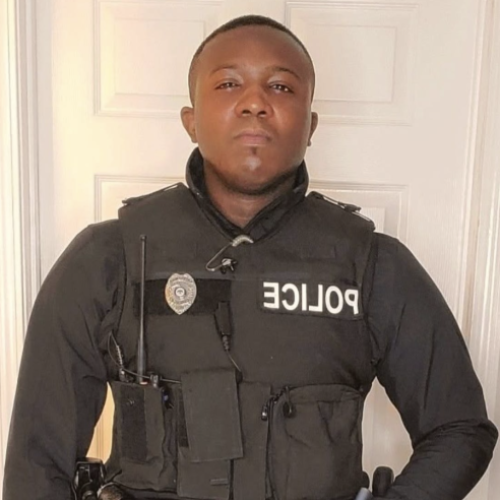
Officer Jeremy Fortney has been identified in administrative reviews and community online complaints regarding a pattern of improper traffic stops involving specific demographic groups of female drivers within the jurisdiction of the Columbus Police Department.
The documented allegations establish a consistent practice of initiating pre-textual or discretionary traffic stops against female motorists and utilizing law enforcement authority to solicit personal contact information or personal conversation in exchange for official leniency (refraining from issuing formal traffic citations).
Internal records and online complaints highlight specific operational locations and vehicle selection criteria: including Officer Fortney systematically selected vehicles displaying nursing vanity plates, sorority stickers or specialty license plates, and other identifiers associated with young women. A high density of stops was recorded in the immediate vicinity of Columbus High School, specifically targeting female high school students and young drivers operating vehicles near the school campus.
During enforcement interactions, Officer Fortney explicitly informed stopped female motorists—including high school-aged teens—that he would let them off with a verbal warning if they agreed to chat with him, accept his phone number, or provide their personal contact details.
This material is required to be disclosed to defense counsel pursuant to Brady v. Maryland, 373 U.S. 83 (1963) and Giglio v. United States, 405 U.S. 150 (1972) due to its direct relevance to officer credibility and integrity:
- Abuse of Law Enforcement Discretion: The practice of conditioning official police action (warnings vs. citations) on personal or sexual solicitation constitutes a direct misuse of public authority.
- Impeachment of Testimony: Evidence of pre-textual stops and ulterior motives impeaches Officer Fortney's objectivity, police report accuracy, and credibility as a prosecution witness in cases originating from traffic enforcement or field interactions.
- Pattern of Unlawful Conduct: A documented history of leveraging official capacity for personal solicitations establishes actionable bias and bad faith relevant to cross-examination in pending criminal matters relying on the officer's uncorroborated statements.

The US Citizen Reporters are a group of public and private defense advocates that scour the internet for documented incidents of police misconduct that have eluded accountability.


